Stop Comparing: Rebuild Self-Worth and Confidence Fast

Reclaiming Self-Worth When Comparison Steals Your Confidence
Comparison can quietly reshape self-talk into constant measuring, second-guessing, and the feeling of never being enough. A confidence reset starts by noticing how comparison works, calming the nervous system, and rebuilding self-trust through small repeatable practices. The goal isn’t to “win” at life or outperform anyone else—it’s to reconnect with personal values, strengths, and a steadier sense of worth that doesn’t depend on external approval.
Why comparison hits so hard
Comparison isn’t just a bad habit—it can feel like a full-body alarm. That’s because the brain often interprets “falling behind” as social risk, which can activate a threat response and narrow your thinking. When stress rises, perspective shrinks: you notice gaps more than progress, and you interpret normal uncertainty as evidence that something is wrong with you.
Curated realities make this worse. Highlight reels—online and offline—rarely show the support systems, setbacks, privilege, timing, or behind-the-scenes effort that shaped the outcome. Without context, other people’s lives can look effortless, which makes your own challenges feel like personal failure.
Over time, self-worth gets outsourced. If worth is measured by likes, productivity, appearance, income, relationship status, or milestones, confidence becomes fragile because the scoreboard never stops moving. The quiet cost can show up as procrastination (why try if you can’t “win”?), people-pleasing (keep approval coming), irritability (stress overload), and disconnection from your actual goals.
To understand the stress mechanics behind that “I’m behind” feeling, resources like Harvard Health Publishing’s overview of the stress response can be validating—and a reminder that what you’re feeling is often biology, not truth.
Spot the comparison loop before it spirals
The fastest way to reduce comparison’s power is to catch it early—before it becomes a mood, then a day, then a story about your identity. Start by identifying triggers: specific accounts, certain coworkers, family gatherings, or even particular times of day (late-night scrolling is a common one).
Next, name the story your mind is telling. Common scripts include: “They’re ahead, so I’m failing,” “Everyone has it figured out,” or “If I’m not exceptional, I’m nothing.” Then track your body signals: tight chest, jaw clenching, restlessness, numbness, or the sudden urge to fix everything at once. Those sensations are useful data: they signal that your nervous system is shifting into threat mode.
Interrupt early with a simple pause: breathe slowly for 60 seconds, then choose one grounding action—water, a short walk, a song, or gentle stretching. Two minutes of reset is often more effective than thirty minutes of mental arguing.
Comparison Loop: What’s Happening and What to Do Next
| Moment | Common thought | Body cue | Reset action (2 minutes) |
|---|---|---|---|
| Seeing someone’s milestone | “I’m behind.” | Stomach drop, racing thoughts | Hand on chest + 5 slow exhales; remind: timelines differ |
| Scrolling before bed | “My life is boring.” | Restlessness, doom-scroll urge | Put phone away; write 3 “done today” wins |
| Hearing praise for someone else | “They’re better than me.” | Jaw tight, shrinking posture | Straighten posture; list 1 strength used this week |
| Comparing appearance | “I should look different.” | Checking, pinching, self-critique | Mirror pause: name 2 body functions you appreciate |
Shift from performance-based worth to values-based worth
A gentle confidence reset you can use today
If stress feels persistent, practical guidance from the National Institute of Mental Health on caring for your mental health can help you build steadier coping habits.
Self-love that doesn’t feel fake
Replace punishment with support by asking “What would help?” instead of “What’s wrong with me?” This shift reduces the inner fight and frees up energy for change. Also, set boundaries with comparison fuel: unfollow, mute, limit exposure windows, and curate inputs that expand rather than shrink you. The American Psychological Association’s resources on social media and mental health offer helpful context for why certain patterns can intensify stress and self-judgment.
Healing the “not enough” belief at the root
Support for rebuilding self-worth day by day
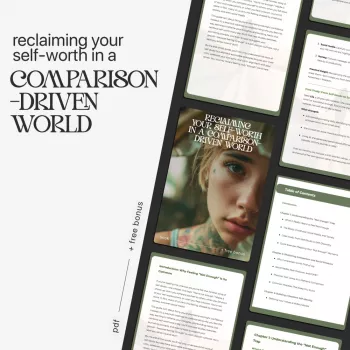
- Reclaiming Your Self-Worth in a Comparison-Driven World – Self-Love & Healing eBook | how to stop feeling like i’m not enough | Confidence Reset Guide
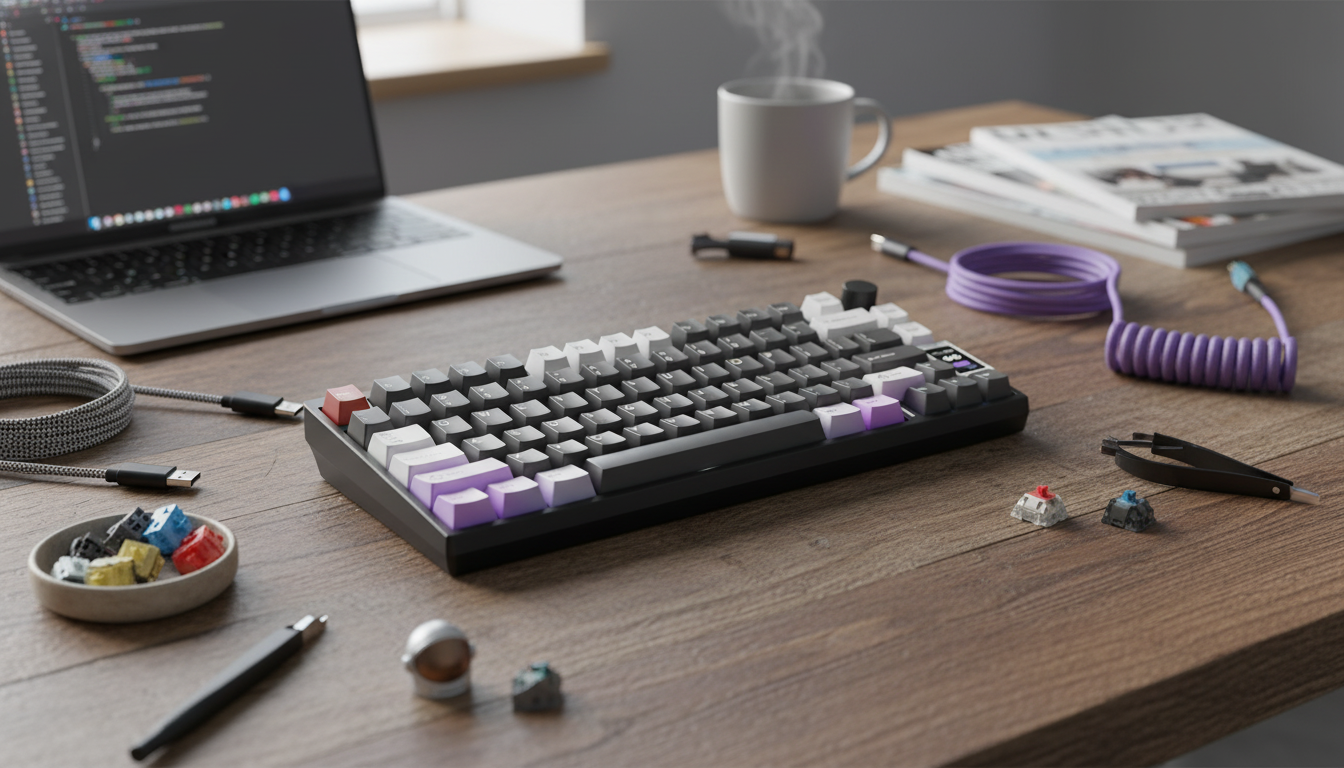
- Wireless Mechanical Gaming Keyboard with Customizable LCD & RGB Lighting (useful if journaling, goal-tracking, or “self-trust ledger” notes feel easier at a comfortable setup)
- Cute Cartoon Duck Plush Toy – Soft Lifelike Goose Doll for Kids & Collectors (a small comfort cue can help reinforce a calmer reset routine)
FAQ
Why do I feel like I’m not enough even when I’m doing a lot?
When self-worth is tied to performance, the goalposts keep moving—so effort never feels like “enough.” Comparison also trains attention toward what’s missing, not what’s working. Try shifting to values-based wins and keeping a self-trust ledger so progress becomes visible and believable.
How can I stop comparing myself on social media without deleting everything?
Start with boundaries: mute or unfollow accounts that spike self-judgment, set specific time windows, and create no-scroll zones (like the bed). After exposure, do a 60-second breath reset and one grounding action so your nervous system doesn’t carry the comparison into the rest of your day.
What’s a quick way to rebuild confidence when I’m spiraling?
Regulate with slow breathing, reality-check what you know versus what you’re assuming, then take one small value-aligned action. Use believable self-talk like “I’m overwhelmed, and I can take one step,” so your mind can accept the reframe.









Leave a comment