Build Habits That Stick: A Consistency System for Real Life
Build Consistency Without Relying on Motivation
Building a new habit rarely fails because of a lack of motivation—it usually falls apart when the plan doesn’t match busy days, low-energy moments, or unexpected disruptions. A practical consistency system makes follow-through easier by design: start small, make the habit obvious and rewarding, track progress in a low-pressure way, and build a recovery step for when life happens.
Habits are largely shaped by repeated cues and routines, not pep talks. The American Psychological Association explains how habits form through repeated behavior in stable contexts, which is why the right trigger and environment often beat “trying harder.” https://www.apa.org/topics/behavioral-health/habits
Why New Habits Feel Easy at First—and Hard Later
The first week often feels smooth because novelty creates a temporary boost. Then results lag, life gets noisy, and the habit starts competing with everything else.
- Early excitement fades: When the payoff isn’t immediate, the brain stops offering that “new project” energy.
- Willpower is variable: Plans that depend on “feeling ready” break under stress, poor sleep, or a packed calendar.
- Friction wins: If the habit requires too many steps (find the book, clear space, open the app), skipping becomes the default.
- Identity mismatch: Habits stick longer when they match a lived identity—“someone who moves daily” beats “someone who does intense workouts.”
A useful workaround is to set a clear “implementation intention”—a specific plan for when and where the behavior happens. Research on implementation intentions shows that “If situation X occurs, I will do Y” planning can significantly improve follow-through. https://pubmed.ncbi.nlm.nih.gov/7969284/
Pick One Habit and Shrink It Until It’s Hard to Fail
Consistency comes from focus. Choose one habit to prioritize for the next 2–4 weeks so effort isn’t diluted across five “new starts.” Then define a minimum version that is almost impossible to skip.
- One focus habit: Keep the target simple enough to repeat even on chaotic days.
- Minimum viable habit: Decide what counts as “done” even when energy is low.
- Two-minute start: Begin with a tiny action that lowers resistance. It can naturally lead to more, but it still counts if it stays small.
- Add complexity later: Once the base habit feels automatic, increase duration or difficulty.
Examples of Minimum Versions That Still Build Momentum
| Habit goal | Minimum version (counts as done) | Optional “bonus” if energy is high |
|---|---|---|
| Exercise regularly | Put on workout clothes and do 5 squats | 10–30 minute workout |
| Read more | Read 1 page | Read a chapter |
| Drink more water | Drink 1 glass after waking | Carry a bottle and refill twice |
| Meditate | Sit and take 5 slow breaths | 5–15 minute session |
| Write daily | Write 2 sentences | 300–800 words |
Make the Habit Automatic with a Clear Trigger and a Prepared Environment
A good habit system removes daily decision-making. Instead of asking, “When should I do this?” the plan answers it in advance.
Track Progress Without Turning It into Pressure
A 7-Day Consistency Plan for Busy Schedules
When Motivation Drops: Use Friction, Accountability, and Self-Compassion
- Increase “good friction” in advance: Schedule it, pack what you need, and pre-decide the minimum action.
- Add gentle accountability: Tell one person, use a shared check-in, or set a recurring reminder with a specific prompt.
- Plan “easy mode” days: Decide what counts when you’re sick, traveling, or overloaded.
- Practice self-compassion after a miss: Treat it as data, not a character flaw. Research links self-compassion with resilience after setbacks. https://self-compassion.org/the-research/
- Redesign instead of blaming effort: If it keeps failing, adjust the time, cue, or minimum size.
Ready-to-Use Tools That Make Follow-Through Easier
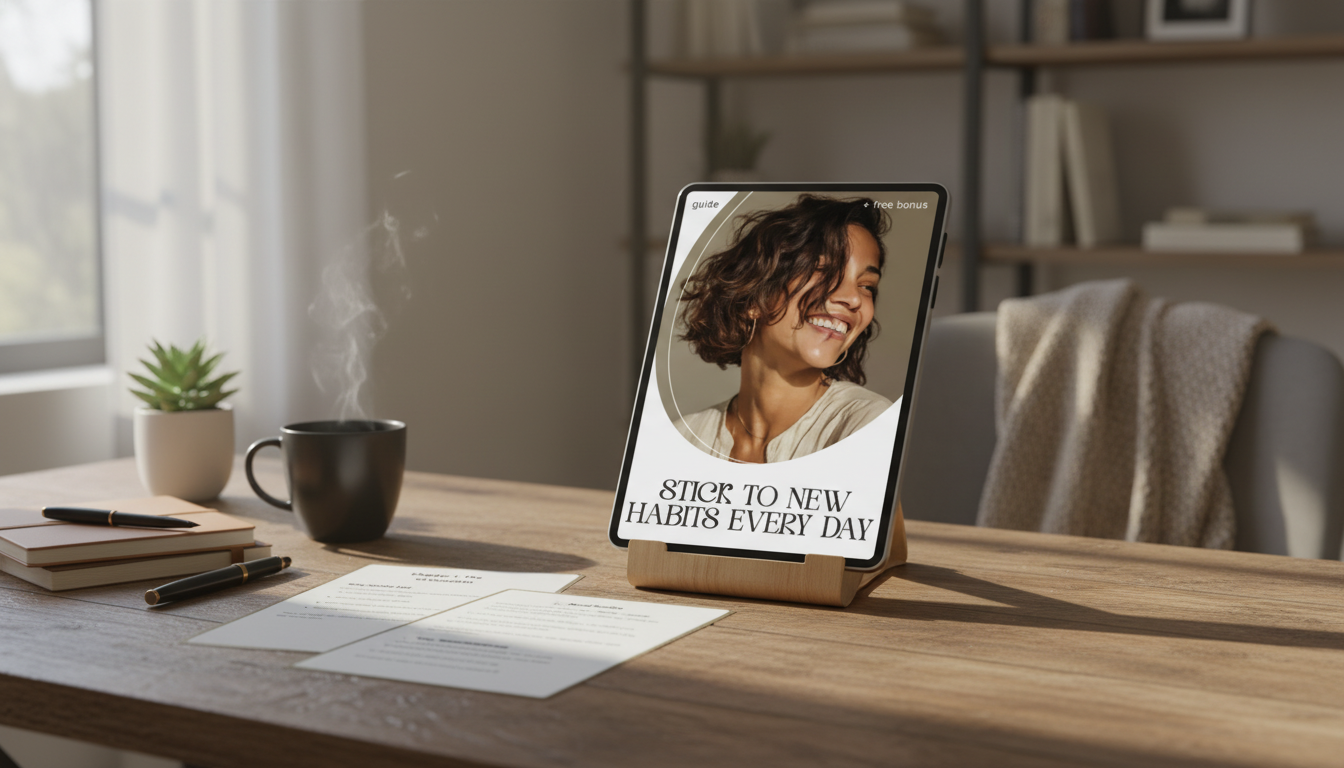
If you want a structured template you can reuse for any routine, Stick to New Habits Every Day – Digital Guide includes prompts to define your trigger, minimum version, tracking method, and recovery plan—plus a simple weekly review so the system stays realistic as your schedule changes.
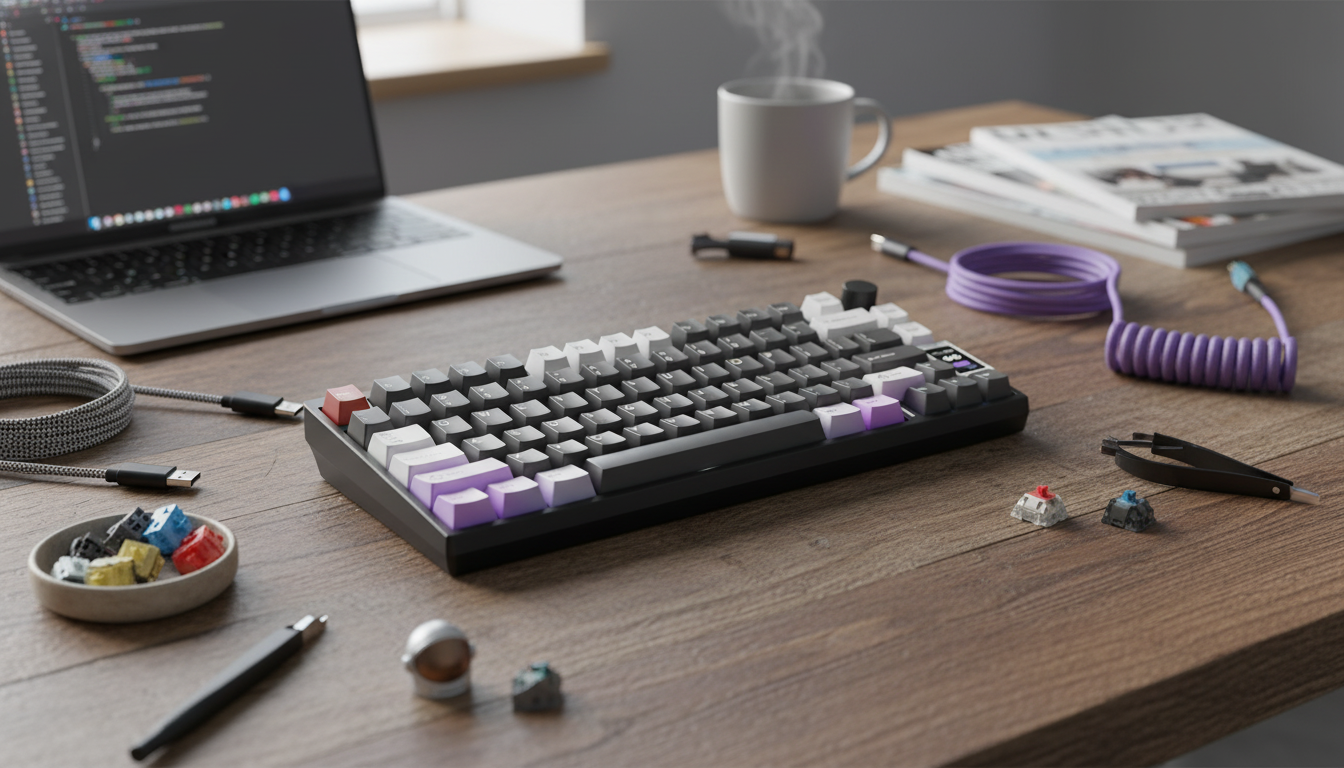
For habits that involve writing, planning, or focused sessions, a comfortable, reliable setup can reduce friction. If you’re building a daily journaling or learning routine at a desk, consider upgrading your workhorse tools like the Wireless Mechanical Gaming Keyboard with Customizable LCD & RGB Lighting. And if small rewards help anchor consistency, a simple “done ritual” (like taking a short break with something comforting nearby) can be surprisingly effective—some people like keeping a cozy desk companion such as the Cute Cartoon Duck Plush Toy as a playful cue that the session is complete.
FAQ
How long does it take for a new habit to feel automatic?
It varies widely by person and habit, so consistency matters more than a specific number of days. Focus on a stable cue, a small minimum version, and a weekly adjustment loop to keep repetition realistic.
What should happen after a missed day so the habit doesn’t collapse?
Use a “never miss twice” rule and do an approved easy-mode version the next day. Then quickly identify what caused the miss (time, energy, or environment) and update the plan so the same problem is less likely to repeat.
Is it better to track streaks or track totals per week?
Streaks build momentum but can trigger all-or-nothing thinking if one day breaks the chain. Weekly totals are more flexible for busy schedules, and streaks work best when paired with a recovery rule.










Leave a comment