Cat Tree Tower Guide: Stable Perches & Scratch Zones
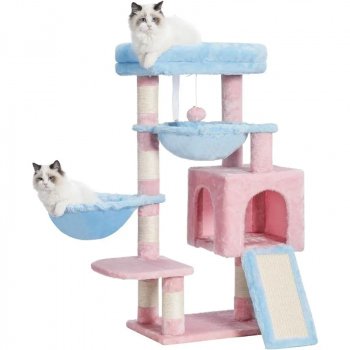
Cat Tree Tower for Climbing, Scratching, and Cozy Perching
A cat tree tower can turn unused vertical space into a daily destination for climbing, scratching, lounging, and observing the room. The right setup supports natural behaviors, reduces boredom, and helps protect furniture by giving claws an appropriate place to work. This guide breaks down what to look for, where to place it, how to keep it stable, and how to help a cat actually use it—especially in smaller homes where vertical territory matters most.
What a Cat Tree Tower Adds to a Home
- Vertical territory: gives cats a safe “up high” option that can reduce stress and create personal space in multi-pet homes.
- Daily exercise: short climbs and jumps build strength and keep indoor cats more active, especially when paired with toys or window views.
- Healthy scratching: directs claw maintenance to sisal or textured posts instead of sofas, rugs, and doorframes.
- Rest and routine: a consistent perch or nook becomes a predictable spot for naps and decompression.
- Better use of small spaces: a tower footprint can be smaller than spreading multiple beds and scratchers across a room.
Cat behavior experts consistently emphasize enrichment for indoor cats—especially opportunities to climb, perch, and scratch. For deeper reading, see guidance on indoor enrichment from International Cat Care and feline environmental needs from the American Association of Feline Practitioners.
Key Features That Matter Most
- Stability first: a wide base and solid joints matter more than extra platforms; a wobbly tower gets ignored quickly.
- Post coverage: scratching surfaces should be reachable at standing height and tall enough for a full-body stretch.
- Platform spacing: steps between levels should match the cat’s mobility; kittens prefer closer spacing, while agile adults handle bigger jumps.
- Comfort surfaces: look for soft, easy-to-clean fabrics on platforms and a cozy resting spot for longer naps.
- Weight and size fit: consider the largest cat in the home; bigger cats need broader perches and thicker supports.
- Noise and vibration: towers placed on hard floors can rattle—pads under the base can help prevent sliding and reduce sound.
Scratching is a normal, necessary behavior—so the goal is to channel it toward an appropriate surface rather than trying to stop it. The ASPCA’s cat care resources include practical training basics that pair well with adding a dedicated scratching post or tower.
Quick Comparison Checklist
Use this table as a fast way to match a tower to a cat’s habits and the room layout. If a cat is hesitant, prioritize stability and easy-access levels over height. For scratch-heavy cats, prioritize post height and durable wrap coverage.
| What to Check | Good Sign | Why It Helps |
|---|---|---|
| Base and frame | Base sits flat; minimal wobble when lightly shaken | Improves safety and boosts confidence using higher levels |
| Scratching posts | Multiple posts with durable wrap; tall enough to stretch | Redirects scratching and supports natural claw care |
| Perch size | Perches fit the cat’s body without dangling | Encourages longer lounging and better sleep quality |
| Level spacing | Easy step-ups for the cat’s age and mobility | Reduces missed jumps and avoids joint strain |
| Material care | Fabric can be vacuumed; surfaces wipe clean | Keeps odors down and makes maintenance simple |
| Placement options | Works near a wall/window without blocking walkways | Creates a trusted “safe zone” without cluttering the room |
Where to Place a Cat Tree Tower
- Near a window: a view turns the tower into a daily hangout; add a bird feeder outside if local rules allow.
- Along a wall or in a corner: corners increase perceived stability and reduce side-to-side sway.
- Away from loud surprises: avoid spots right next to slamming doors, speakers, or high-traffic hallways.
- Close to family activity: many cats prefer to perch where they can watch people while still feeling elevated and secure.
- Multi-cat homes: place towers so cats can pass without confrontation; avoid dead-end areas that create blocking.
- Floor protection: use a grippy mat or rug under the base on hardwood or tile to prevent sliding.
Placement can make or break the “will they use it?” question. A tower that’s stable, predictable, and connected to a favorite attraction (like a window or the room where people gather) becomes part of the daily route—like a hallway the cat chooses rather than a piece of furniture the cat ignores.
How to Help a Cat Start Using It
Care, Cleaning, and Safety Checks
Cat Tree Tower Option
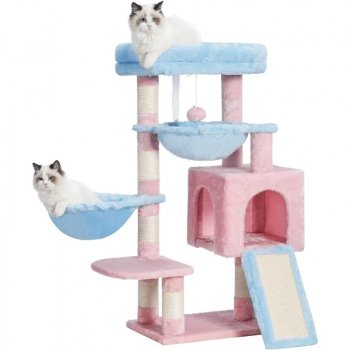
- Cat Tree Tower (a simple way to add vertical space, scratch zones, and perching in one place)
- Cute Cartoon Duck Plush Toy – Soft Lifelike Goose Doll for Kids & Collectors (can double as a supervised play “lure” to guide climbing and exploration)
FAQ
How tall should a cat tree tower be?
Match height to the room and the cat’s confidence; many cats enjoy a mid-height perch near a window, while confident climbers may prefer taller options. Stability and safe step spacing matter more than maximum height.
Why won’t my cat use the cat tree tower?
Common reasons include wobbling, poor placement (too noisy or isolated), surfaces that feel slippery, or the cat already having a preferred perch. Encourage use with treats or toys, add familiar bedding, and make sure the tower doesn’t sway.
How do I keep a cat tree tower from tipping or sliding?
Place it on a grippy surface, position it against a wall or in a corner, tighten all hardware regularly, and consider wall anchoring for high-energy cats or heavier breeds.











Leave a comment